Choosing a Mattress for Temporary Use: What Hosts and Guests Should Know
A practical, editorial guide for hosts and guests navigating mattress selection, setup, safety, and hygiene in short-term stays. Inspired by thoughtful sleep science and hospitality best practices, this article examines timeless questions across eras and cultures, tying in modern materials and trusted standards for temporary bedding experiences.
The domain Loaner Mattress sits at an intersection of hospitality, sleep science, and consumer education. While the term “loaner” evokes timelines of guest stays, moving between homes, or temporary guest rooms, the core aim here is durable comfort and safety, regardless of duration. For hosts, guests, and even small businesses that rely on temporary accommodations, a well-chosen mattress is not a mere function of fortune but a daily instrument of rest. The following sections explore key considerations—safety certifications, hygiene, construction quality, and practical setup—through a narrative that blends historical perspective with present-day materials and design.
Key considerations in temporary mattress selection
Temporary-use mattresses must balance accessibility with durability. When choosing a mattress for short stays, consider safety certifications, ease of cleaning, and the ability to withstand frequent ingress and egress. Height matters for room layout and accessibility, while a range of firmness options helps accommodate a variety of sleepers—from back to side to stomach sleeper profiles.
Hygiene is a critical pillar in any borrowed or rented bedding. The simplest, most effective approach is layered protection: a waterproof or washable mattress protector beneath a fitted sheet, followed by a dedicated, sealed sleep cover when possible. Clear policies for cleaning and return are essential, both for guests and for rental providers. In hospitality, these practices translate into guest trust, repeat visits, and a reputation for reliability.
In historical terms, the practice of maintaining clean sleep surfaces has long been a marker of hospitality. Across centuries, innkeepers and households recognized that clean linens and well-kept mattresses were as essential as food and warmth. That heritage informs modern expectations: guests anticipate cleanliness, comfort, and predictability in how their temporary beds are prepared and maintained.
Practical setup: optimizing the guest sleep experience
A thoughtfully prepared guest room is more than a mattress on a frame. Lighting, climate control, and quietude all contribute to the perception of comfort. A readily accessible bedside kit—sleep masks, extra pillowcases, a light blanket, and an easy-to-access nightlight—says that the space was planned with rest in mind. The mattress itself should be presented with care: a clean, unobtrusive protector, a breathable sheet set, and a cover that can be removed and cleaned as needed.
Hosts should consider a “guest setup checklist” that covers mattress height compatibility with the room’s layout, ensuring there is sufficient space for turning and moving beside the bed. This is particularly important in compact spaces or boutique accommodations where layout constraints are common but can be elegantly managed with modular, height-appropriate foundations and with attention to edge support and overall stability of the sleep surface.
Three figures, three perspectives: a brief historical thread
-
Antonia of the Silk Road (2nd century CE) — A symbolic reminder of how different cultures shaped sleep rituals and bedding technologies. While her era predates modern upholstery, her travelers’ beds often relied on layers of wool and coarse fabrics designed for warmth and durability in varied climates. Her example underscores the perennial balance between comfort and resilience in sleep surfaces.
-
Captain James Cook (18th century) — An explorer whose voyages required portable, compact bedding solutions. The era’s folding mattresses and canvassed frames foreshadowed the modern demand for lightweight, easy-to-clean, and transportable sleep surfaces—principles that inform today’s temporary-use options.
-
Contemporary sleep researchers (21st century) — Modern sleep science emphasizes spine alignment, pressure point relief, and temperature regulation. This lineage ties the historical appreciation for a good bed to evidence-based materials like latex, wool, and cotton blends that manage heat and moisture—vital for temporary setups where climate control may be less predictable.
Product spotlight: Savvy Rest Tranquility Latex Mattress
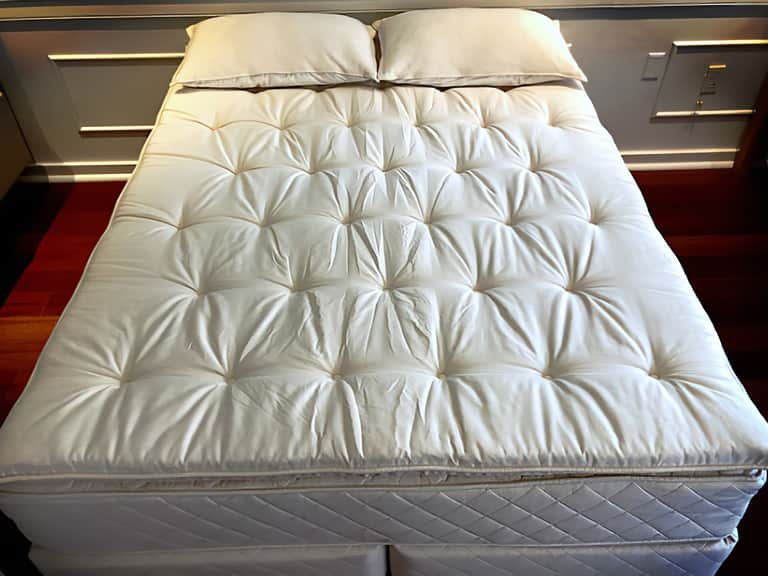
Among the durable, health-conscious options that resonate with the loaner mattress ethos is the Savvy Rest Tranquility Latex Mattress, a 7-inch-thick, customizable latex model designed with organic wool, organic cotton, and latex layers. Its two-layer configuration can be tailored to firmness preferences, offering a firm support core with a breathable, temperature-regulating cover.
This mattress is constructed with a zippered outer casing of 100% certified organic cotton and natural latex cores that promote contouring and pressure relief. The wool flame barrier adds an extra layer of hearth safety, while the design favors spot-clean maintenance and careful handling, aligning with hygiene standards for short-term stays.
Note: Availability and exact specifications may vary by retailer, but Savvy Rest emphasizes organic materials and thoughtful layering that suit both guest rooms and rental programs seeking non-toxic sleep surfaces.
Illustrative case studies
-
Case A: Small-host guest room — A host with a compact room chooses a 7-inch latex mattress with a slim foundation, a breathable protector, and a simple topper to adapt to seasonal variations. The result is a sleep-ready setup that remains easy to store when not in use and simple to sanitize between guests.
-
Case B: Airbnb multi-unit portfolio — An operator standardizes on washable, organic-covered latex cores with water-resistant protectors. A universal sheet set and a capped turnover floor plan streamline cleaning, while maintaining a high level of guest comfort.
-
Case C: Family guest room renovation — A family upgrades to a latex-based ensemble, layering wool and cotton components for temperature regulation, while ensuring compatibility with adjustable bases for diverse sleep positions.
Glossary and resources
Key terms such as latex, Dunlop, Talalay, wool, and organic cotton are more than materials; they are signals of performance: contouring, breathability, durability, and low motion transfer. A short glossary helps hosts and guests navigate conversations with suppliers and rental providers, ensuring expectations align with the physical product on hand.
For further reading, seek reputable sources on mattress hygiene standards, fire-safety guidelines, and consumer-testing results from recognized laboratories and consumer reports. A well-curated external-resource page enhances credibility and trust in an informational site focused on non-commercial guidance.
Conclusion: turning sleep science into practical hospitality
Temporary-use bedding, when chosen with care, becomes a quiet anchor for hospitality. It is an artifact of a broader commitment to well-being: the assurance that a guest can sleep soundly, even far from home. This guide has traced a path from historical hospitality rituals to contemporary materials and hygiene strategies, while highlighting a concrete product that embodies reliable, non-toxic design. By combining robust safety standards, practical hygiene practices, and thoughtful room setup, hosts can transform temporary stays into memorable experiences grounded in rest.
What’s next: site map and content roadmap
If you’d like, I can draft a sample site map (main navigation and content pillar pages) and provide a 90-day content calendar to guide ongoing coverage of mattress education, temporary-use tips, and guest-host resources. This can include long-form guides, checklists, glossaries, and curated external references to strengthen authority and trust.
Images of products and materials are illustrative. For the Savvy Rest Tranquility Latex Mattress, see product spotlight above; other examples can be provided on request to accompany sections in the article.