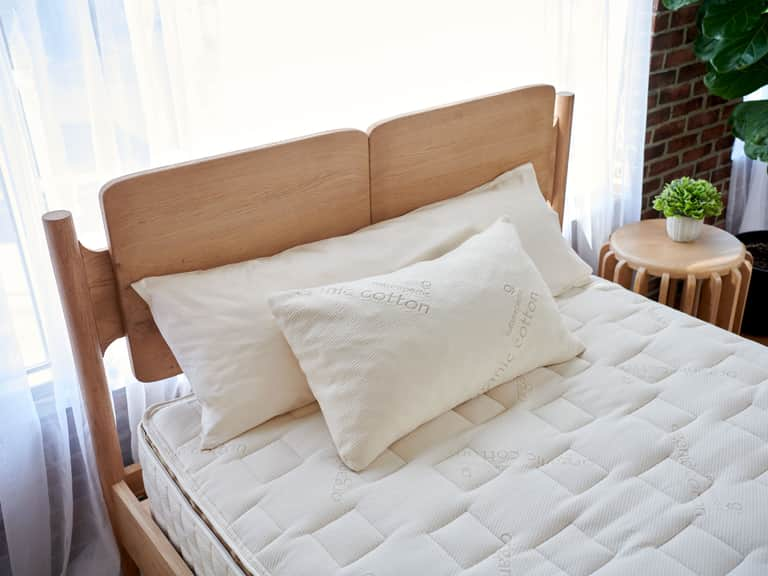
Latex materials in bedding offer a responsive and supportive sleep surface that adapts to body contours while maintaining durability. The natural elasticity of latex helps distribute weight evenly, reducing pressure points for a variety of sleeping positions. This category covers both natural and blended latex options commonly used in pillows and mattresses, emphasizing comfort and longevity.
Understanding latex and wool pillow combinations highlights how materials influence temperature regulation, contouring, and firmness. Latex provides consistent support with buoyancy, while wool adds breathability and moisture management. Together, these components can create a balanced pillow that maintains shape while offering a cooler, more restful sleep environment.
Key features to consider include pin-core or aerated latex for improved airflow, antimicrobial properties, and removable, washable covers. The use of organic or naturally derived latex aligns with health-conscious bedding choices, reducing exposure to synthetic additives. Knowledge of firmness levels helps match pillows to neck support needs and personal preferences.
Functional benefits of latex & wool pillows center on neck alignment, spinal support, and pressure relief. Properly selected latex provides lift under the neck while maintaining a responsive surface that adapts to movement. Wool enhances temperature neutrality, helping to sustain a comfortable microclimate throughout different seasons.
In this category, product names and features—such as latex pillow compositions, wool blend layers, and cover materials—illustrate how design choices impact usability. Educating about care instructions, maintenance, and lifespan supports informed decisions about long-term comfort, ensuring that latex-based bedding remains supportive and hygienic over time. Keywords: bedding, pillows, sheets, organic mattresses, latex.
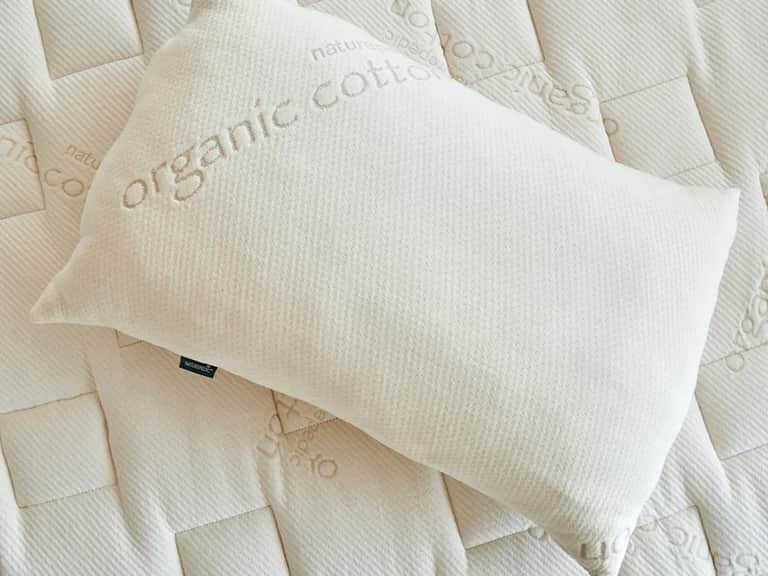 Bedding